
Questions to Ask Your Roofer
Hiring someone to work on a roof is an important decision because it affects the safety, structure, and long-term condition of a home. Asking the right questions helps clarify expectations, reduce misunderstandings, and support better project outcomes. This article explains key questions to ask a roofer and what to consider before moving forward with any roofing project. A professional roofer plays a central role in evaluating roof condition, identifying issues, and carrying out repairs or replacement work in a structured and safe manner.
How Long Have You Worked as a Roofer?
One of the first areas to discuss is experience. Asking how long a roofer has been working in the field can provide insight into their familiarity with different roof types and conditions. Experience often influences how efficiently challenges are handled during a project. A roofer with a broad range of experience is more likely to recognize issues early and recommend appropriate steps for addressing them. It is also helpful to ask about past projects that are similar in size or complexity. This can help set expectations for how smoothly the work may progress. Seeking professional help when evaluating experience can help homeowners better understand whether a roofer is suited for the specific needs of the property. A roofer may also explain how different weather conditions or structural designs affect roofing decisions over time. In some cases, they may also describe how older roofs differ from newer systems in terms of repair needs. Understanding background details helps create a clearer picture of how the roofer approaches planning and execution.
Are You Licensed and What Standards Do You Follow?
Licensing and work standards are important topics when evaluating a roofer. Asking whether the roofer follows local requirements helps confirm that work is being carried out within established guidelines. A roofer typically follows structured methods for installation, repair, and inspection. These methods help maintain consistency and reduce the likelihood of issues during or after the project. It is also useful to ask how quality checks are handled throughout the process. This can include final walkthroughs and condition reviews before project completion. Clear standards help define expectations for both communication and execution. A roofer may describe how materials are evaluated and how different stages of work are monitored. Understanding these details helps ensure that the project follows a consistent and organized approach from start to finish.
How Often Should Roof Inspections Be Done?
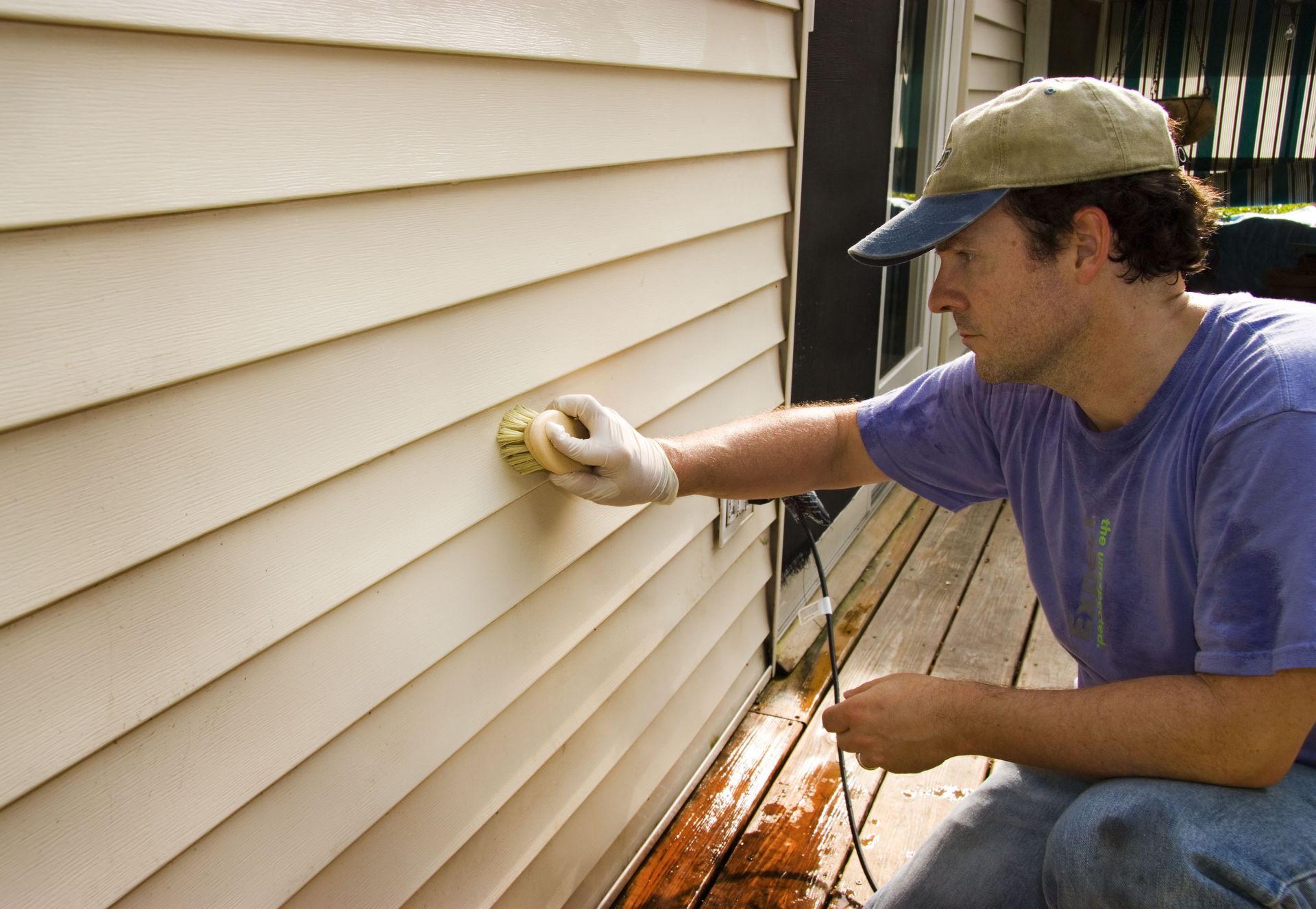
Roof inspections are an important part of maintaining long-term condition. Regular evaluations help identify early signs of wear or damage before they develop into larger issues. According to LinkedIn, most experts recommend a thorough siding inspection at least once a year, ideally in the spring or fall. This recommendation highlights the importance of seasonal checks to identify changes caused by weather conditions. Although this relates to siding, the same timing approach is often considered when evaluating roof conditions, since both areas are exposed to similar environmental factors. Seasonal timing also helps catch issues after harsh weather periods. A roofer may also suggest routine inspection schedules based on the age and condition of the roof. Seeking professional help for regular inspections helps maintain awareness of potential issues. Asking about maintenance expectations helps clarify how often a roofer recommends follow-up evaluations and what signs should prompt additional review.
What Materials Do You Recommend for My Roof?
Understanding material options is another important topic when speaking with a roofer. Different roofing materials can affect durability, appearance, and long-term maintenance needs. A roofer can explain how different choices perform under various weather conditions and how they may impact overall roof lifespan. It is helpful to ask what materials are commonly used for homes with similar structure or climate exposure. This helps narrow down practical options. This discussion can also include how material selection affects installation time and long-term upkeep. A roofer may outline how certain options respond to temperature changes, moisture, or wind exposure. Seeking professional help during this stage supports more informed decision-making and helps align material selection with long-term property needs.
How Long Will the Roofing Project Take?
Project timelines are another key area to discuss. Asking how long a roofing project typically takes helps set expectations for planning and coordination. A roofer may provide an estimated schedule based on the size of the roof, weather conditions, and material availability. It is also useful to ask how delays are handled and what factors may affect completion time. Clear scheduling information helps reduce uncertainty during the project. A roofer often explains how work is organized in phases to maintain steady progress. They may also outline how weather interruptions are managed within the timeline. Understanding timelines also helps homeowners plan around daily routines while work is being completed on the property.
How Do You Manage Safety on the Job Site?
Safety is an important part of any roofing project. Asking how safety is managed on site helps provide insight into how risks are handled during work. A roofer typically follows structured safety procedures to reduce hazards and maintain a controlled work environment. This may include securing the work area, managing equipment placement, and coordinating tasks among team members. It is also helpful to ask how site cleanup is handled after each stage of work. A roofer may describe how materials are managed and how the surrounding area is kept organized during the project. Cleanup expectations can vary depending on project size. Understanding safety practices helps create confidence in how the project is managed from start to finish.
How Will You Communicate Project Updates?
Clear communication is essential during any roofing project. Asking how updates are provided helps set expectations for staying informed throughout the process. A roofer may explain how progress is reported and who will be the main point of contact during the project. This helps avoid confusion and ensures that questions can be addressed in a timely manner. Regular updates can help keep decisions aligned. It is also helpful to ask how unexpected changes are communicated. A roofer may outline how adjustments are discussed and approved if conditions change during the work. This helps prevent misunderstandings during active phases. Consistent communication supports smoother coordination and helps maintain clarity throughout the project timeline.
What Should I Know About Long-Term Roof Care?
Roofing work does not end when installation or repairs are completed. Long-term care is an important part of maintaining roof condition over time. A roofer may provide guidance on how often inspections should take place and what signs to watch for between scheduled evaluations. This helps identify issues early before they become more serious. Seeking professional help for follow-up assessments supports long-term performance and helps maintain structural stability. A roofer can also explain how seasonal changes may affect roof condition over time. Temperature shifts and storms can gradually impact materials. Understanding long-term care expectations helps ensure that the roof continues to perform effectively after the project is completed.
Asking the right questions helps create a clearer understanding of how a roofer approaches experience, safety, materials, communication, and long-term care. This information supports better decision-making and helps set expectations for the entire project. For homeowners looking for clear guidance and reliable roofing support, contact a roofer at LeFever Roofing to schedule professional roofing services.
Share On: