
How to Know When Your Roof Needs to Be Replaced
Maintaining a strong, protective overhead covering is essential for safeguarding your home, protecting interior possessions, and preserving structural integrity. The overhead covering serves as your primary defense against rain, severe winds, falling debris, intense sunlight, and seasonal temperature fluctuations. Over time, continuous exposure to harsh outdoor elements naturally degrades even the highest quality building materials, leading to gradual wear, hidden water intrusion, and structural compromises. Identifying subtle warning signs early allows homeowners to plan for timely replacement before minor leaks cause extensive ceiling damage, interior mold growth, or rotting structural framing.
Navigating the decisions surrounding overhead maintenance requires understanding material lifespans, recognizing visual defects, and evaluating environmental impacts on your property. Many property owners overlook overhead conditions until water begins dripping through interior ceilings during severe storms. However, proactive monitoring and periodic professional evaluations help you address deterioration early, saving significant financial resources in the long run. Partnering with experienced local roofers ensures that your property receives thorough inspections, accurate damage assessments, and precise replacement installations tailored to regional weather demands and architectural styles.
Assessing Material Age and Lifespan Indicators
Evaluating the overall age of your overhead materials represents the primary step in determining whether complete replacement is necessary. Standard asphalt shingle installations generally perform reliably for two decades, depending on regional weather exposure, attic ventilation efficiency, and initial installation quality. As materials approach the end of their operational lifespan, asphalt compounds lose essential oils, causing individual shingles to become brittle, lose flexibility, and suffer accelerated surface degradation under direct sunlight.
When surrounding homes in your neighborhood undergo complete material upgrades, your property likely requires similar attention, as houses built during the same period share identical material aging cycles. Ignoring age-related material breakdown exposes underlying wooden decking to moisture intrusion, rot, and structural decay. Scheduling a comprehensive evaluation with certified local roofers helps property owners verify material conditions, determine remaining functional life, and explore modern replacement materials that offer superior energy efficiency, wind resistance, and overall durability.
Identifying Visible Surface Shingle Wear
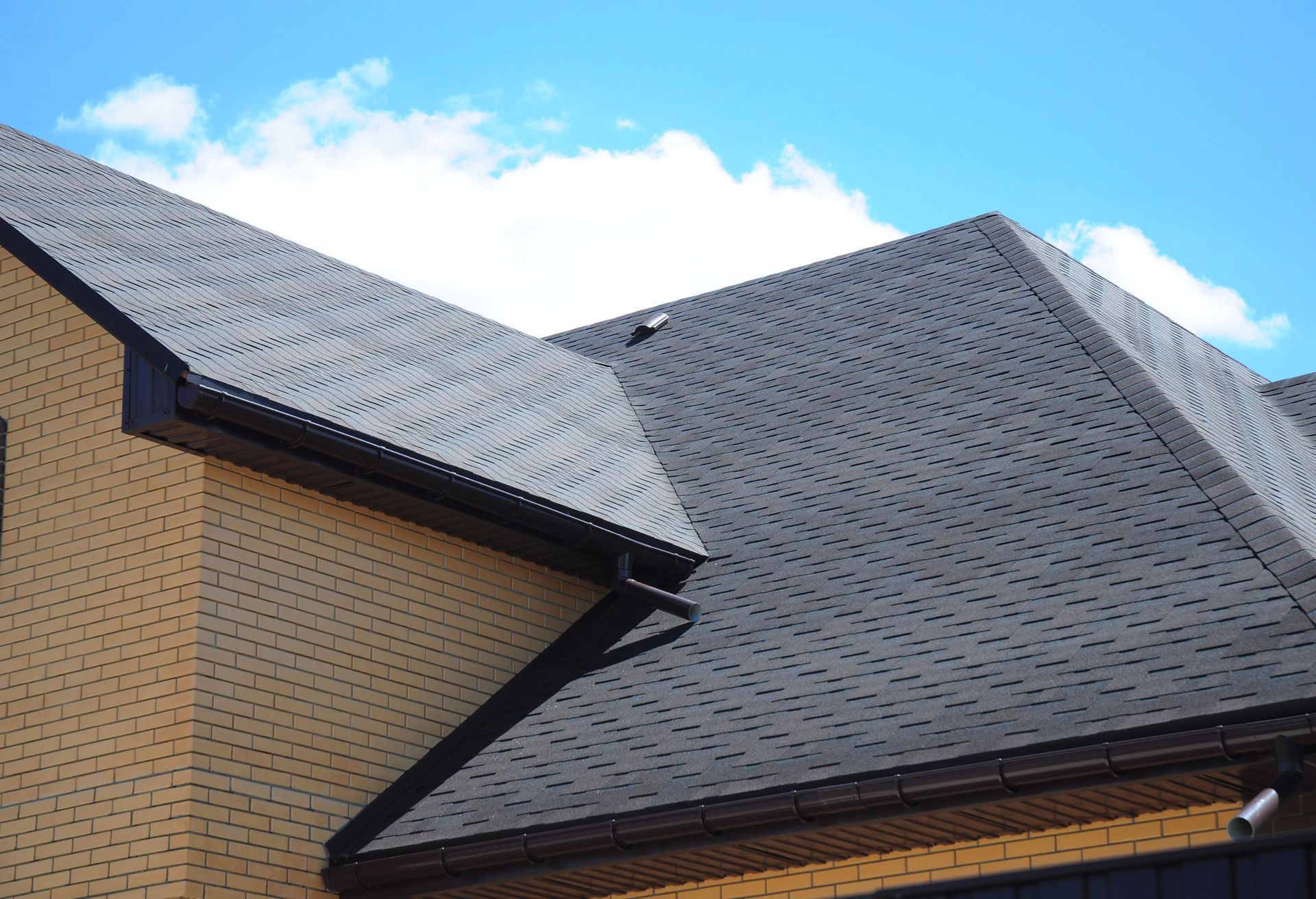
Conducting periodic visual ground inspections reveals obvious signs of material deterioration along the exterior covering. Look closely for curling, cupping, or clawing shingle edges, which indicate severe thermal stress and material exhaustion. When asphalt shingles curl upward along their outer edges, they lose their ability to lay flat, creating entry gaps for wind-driven rain and heavy winds to lift individual sections completely off the structure.
Missing, cracked, or broken shingles also signal advanced age and structural vulnerability. Missing pieces leave vulnerable underlayment exposed directly to environmental elements, allowing water to penetrate underlying wooden framing during rainstorms. Engaging knowledgeable local roofers to inspect surface wear guarantees that subtle damage patterns—such as missing asphalt granules accumulating inside gutter troughs—are identified promptly before extensive water penetration damages interior ceilings and drywall.
Detecting Internal Water Intrusion and Attic Moisture
Searching for interior indicators of water intrusion provides vital evidence regarding overhead integrity. Access your attic space with a flashlight during daytime hours to check for daylight shining through the wooden decking boards. Seeing daylight through the overhead structure indicates gaps, cracks, or holes where rainwater can easily enter during severe weather events.
Examine the underside of attic decking for dark water stains, soft spots, active moisture pooling, or visible mold growth. Internal leaks often travel along interior structural rafters before dripping onto ceiling insulation, making the origin point difficult for homeowners to identify without professional assistance. Relying on trained local roofers to conduct thorough interior and exterior leak tracing ensures that hidden water paths are uncovered and corrected before moisture causes widespread framing rot or dangerous indoor air quality issues.
Evaluating Impact Damage From Severe Storm Events
Surviving severe weather events, high winds, heavy hail, and falling tree branches can cause sudden, catastrophic damage to residential structures. High-velocity winds can lift shingle edges, breaking the factory adhesive seal and tearing entire sections away from the building. Hail impacts leave bruised, pitted, or cracked surfaces that strip away protective granule layers, accelerating asphalt breakdown under subsequent sun exposure.
Promptly evaluating storm impacts remains crucial for filing insurance claims and preventing compounding structural damage. According to RubyHome, 33% of roof replacements are due to storm damage. This significant statistic highlights the frequent necessity of replacing weather-damaged structures following severe weather patterns. Working alongside trusted local roofers allows property owners to document storm damage thoroughly, navigate complex insurance claim procedures, and install resilient, high-impact replacement systems built to withstand future environmental stresses.
Inspecting Flashing and Penetration Seals
Examining critical connection points surrounding chimneys, skylights, plumbing vents, and wall intersections reveals another common source of overhead structural failure. Flashing—typically constructed from galvanized steel, aluminum, or copper—drives water away from sensitive joints where overhead planes meet vertical surfaces. Over time, metal flashing can rust, warp, pull away from masonry, or suffer dried caulking seals due to seasonal expansion and contraction.
Damaged or improperly installed flashing allows water to bypass surface shingles entirely, channeling moisture directly into interior wall cavities and ceiling frameworks. Inspecting complex flashing systems requires walking elevated surface areas safely and understanding water flow dynamics. Hiring certified local roofers guarantees that all pipe boots, step flashing, and counter-flashing assemblies are inspected, sealed, or replaced correctly during complete material overhauls to maintain watertight protection across every roof valley and seam.
Recognizing Structural Sagging and Decking Rot
Noticing visible dips, sagging ridge lines, or bowing sections along the exterior profile indicates severe structural compromise requiring immediate professional intervention. Structural sagging typically stems from prolonged moisture intrusion that rots wooden decking, weakens supporting trusses, or overburdens structural rafters with heavy, water-logged materials. In some instances, poor attic ventilation allows excess humidity to accumulate beneath the decking, causing wooden supports to warp and buckle over time.
Addressing structural sagging demands comprehensive remediation beyond simple surface shingle replacement. Technicians must strip away ruined materials, replace damaged wooden plywood decking, reinforce structural framing members, and correct ventilation deficiencies to restore complete structural integrity. Partnering with reputable local roofers provides the structural expertise, heavy-duty building materials, and precise execution necessary to rebuild sagging framework safely, ensuring your home remains secure, level, and fully protected against future environmental hazards.
Elevating Home Protection With Expert Replacement Craftsmanship
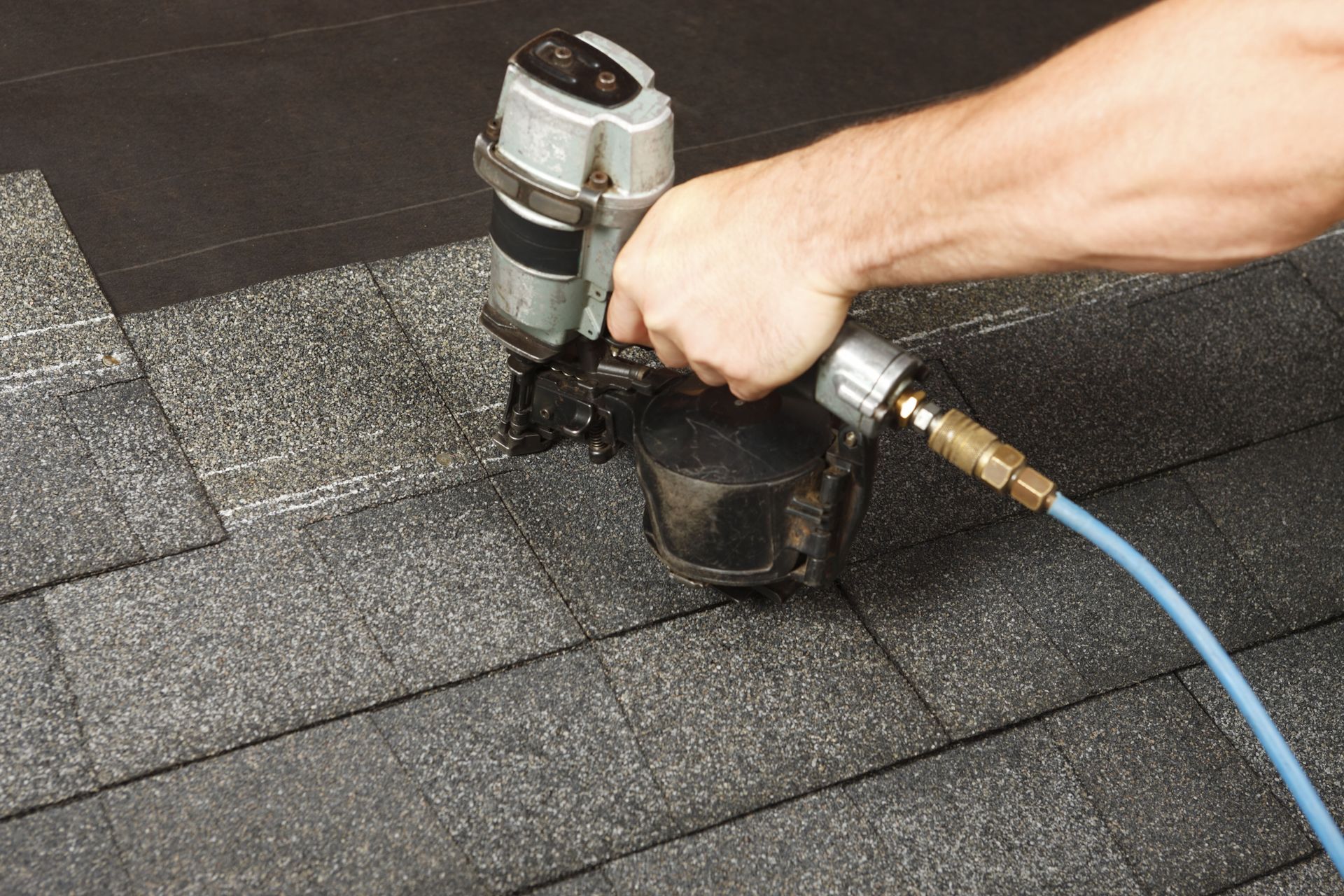
Protecting your home from environmental elements requires a reliable, well-maintained overhead structure that delivers long-term durability, energy efficiency, and peace of mind. By recognizing material age, monitoring surface shingle wear, inspecting attic spaces for moisture, addressing storm impacts, and maintaining critical flashing seals, property owners can take proactive measures before minor issues turn into costly structural damage. Investing in high-quality replacement materials and professional installation services enhances your home's curb appeal, improves thermal regulation, and preserves long-term property value. Partnering with established local specialists ensures that your project is completed with superior craftsmanship, durable materials, and strict adherence to regional building codes.
At LeFever Roofing, we are deeply committed to protecting your home, preserving your property value, and delivering exceptional overhead replacement services through master craftsmanship, premium materials, and dedicated customer care. Our team of experienced, highly trained technicians brings deep industry knowledge, advanced diagnostic equipment, and meticulous attention to detail to every residential and commercial project we execute across our community. We take immense pride in conducting comprehensive structural evaluations, providing transparent material recommendations, and installing high-performance protection systems tailored to your home's unique architectural design. Contact us today to schedule your personalized consultation and discover how our dedicated team can safeguard your home with superior overhead solutions built to last.
Share On: