
How Damaged Siding Can Lead to Structural Water Issues
Siding plays an integral role in the health and longevity of a home structure. Acting as the first line of defense against external elements, it protects the interior from water infiltration, pests, and other environmental hazards. The deterioration of siding can lead to serious structural challenges, primarily associated with water damage that may compromise the durability and safety of the building. As a building skin, siding also contributes to overall energy efficiency, appealing aesthetics, and market value. With its multi-faceted importance, understanding how damaged siding can lead to structural water issues is crucial for every homeowner to prioritize maintenance.
The Barrier Function of External Siding
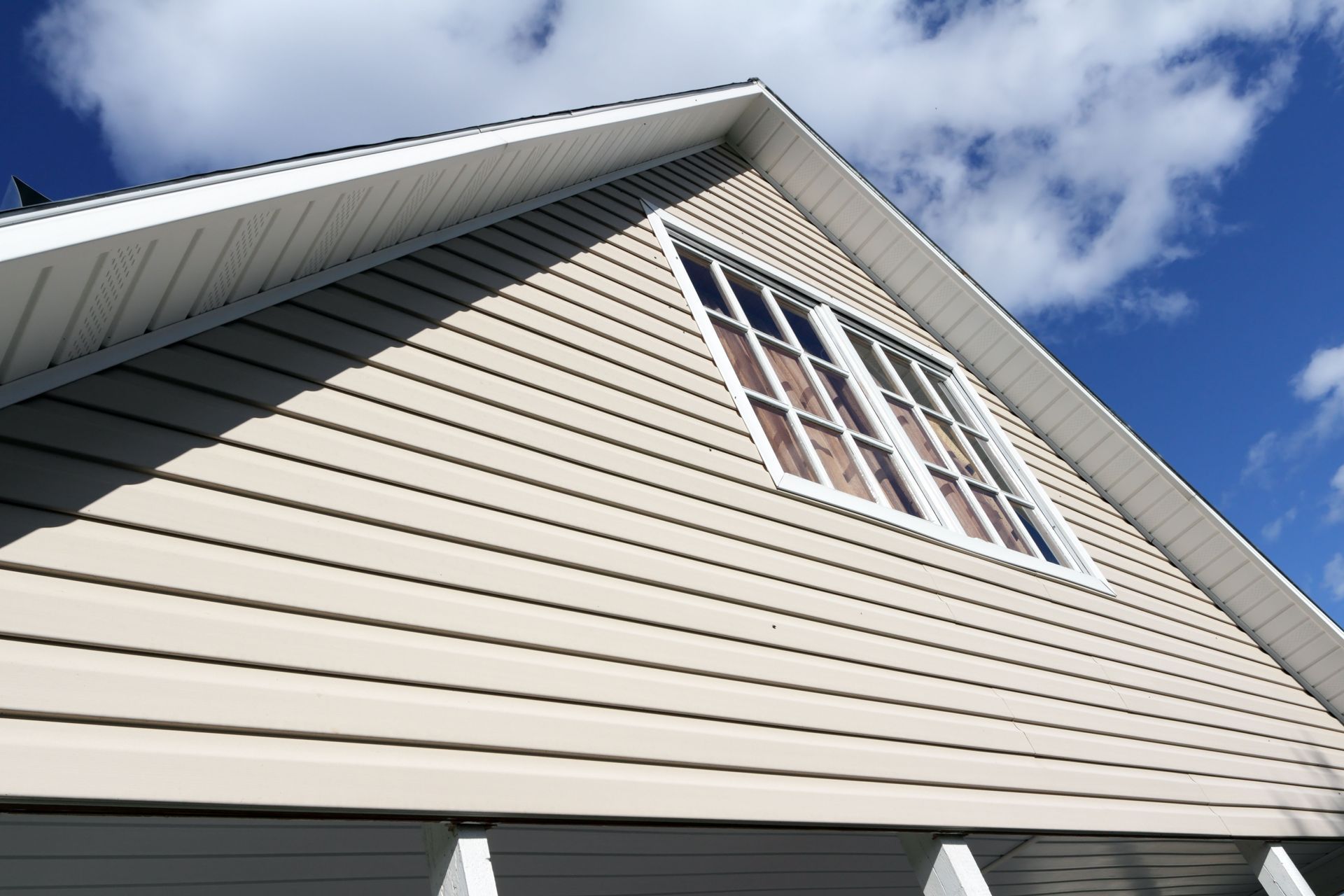
Siding serves as an essential protective barrier between the external environment and the structural components of a house. It prevents rain, sleet, snow, and even wind-driven debris from penetrating the interior. Additionally, siding helps to keep the elements at bay by directing moisture away from the building envelope, thereby preventing water buildup that could lead to mold growth and rot. When this barrier is compromised, the risk of moisture reaching the wooden frame increases significantly. To ensure this barrier remains intact, homeowners often seek the professional expertise of local siding contractors for routine inspections.
The Impact of Weather on Siding Longevity
Weather significantly influences the state of a home's exterior. Over time, exposure to elements like rain, wind, and temperature extremes can cause wear and tear. This kind of exposure may cause cracks, warping, or even complete detachment from the framework. Fluctuating temperatures can cause expansion and contraction, leading to material fatigue and eventual failure. Continuous weather exposure necessitates regular checkups to prevent more severe issues. According to American WeatherTechs, siding is typically replaced every 20 to 40 years, though harsh climates may shorten this timeframe. Consulting with local siding contractors can help determine if your materials are reaching the end of their functional life.
The Initial Signs of Water Infiltration
A telltale sign of water infiltration from damaged siding is the discoloration of interior walls. This discoloration usually appears as dark or yellowish patches on walls or ceilings, indicating moisture penetration. Such staining suggests structural vulnerability due to water exposure. Immediate investigation and rectification are critical to prevent further water damage and avoid more severe structural issues. Ignoring these signs can lead to expensive repairs and potential health issues associated with mold growth. Professional local siding contractors can trace these interior stains back to specific exterior breaches that are often invisible to the untrained eye.
The Connection Between Mold Growth and Interior Air Quality
Mold and mildew thrive in damp environments, making their presence a strong indication of water infiltration. Mold spores can quickly spread throughout the interior, affecting indoor air quality and posing health risks such as allergies and respiratory problems. When present, it is vital to identify the source of moisture and address it promptly. Damaged siding often means that exterior moisture has found its way into the wall cavity. Expert local siding contractors are equipped to identify where the seal has failed and suggest the appropriate remedial actions to stop the moisture at the source.
The Compromise of the Home Foundation
Water infiltration can have devastating effects on a home's foundation. Initially, moisture may seep into the soil around the home, causing it to expand and exert pressure on the foundation. Over time, this can lead to cracks or even shifts in the foundation itself, compromising the building's structural stability. A weakened foundation threatens the entire structure, resulting in uneven floors and cracked walls. Protecting the integrity of the siding plays a crucial role in safeguarding the foundation from moisture intrusion. Many local siding contractors emphasize the importance of proper water shedding to keep the ground around the foundation dry.
The Weakening of the Wooden Framing
Wooden frames are particularly vulnerable to damage through prolonged exposure to water. When siding fails to repel moisture effectively, it can seep into the studs and headers, leading to rot and structural degradation. Rot reduces wood load-bearing capacity, threatening the building's structural integrity over time. Professional intervention ensures that any breach is quickly sealed to prevent further moisture ingress. Strong, healthy wooden frameworks are vital in maintaining structural stability and safety for the occupants. To prevent frame rot, it is wise to establish a relationship with local siding contractors who can provide consistent oversight.
The Consequences of Improper Installation
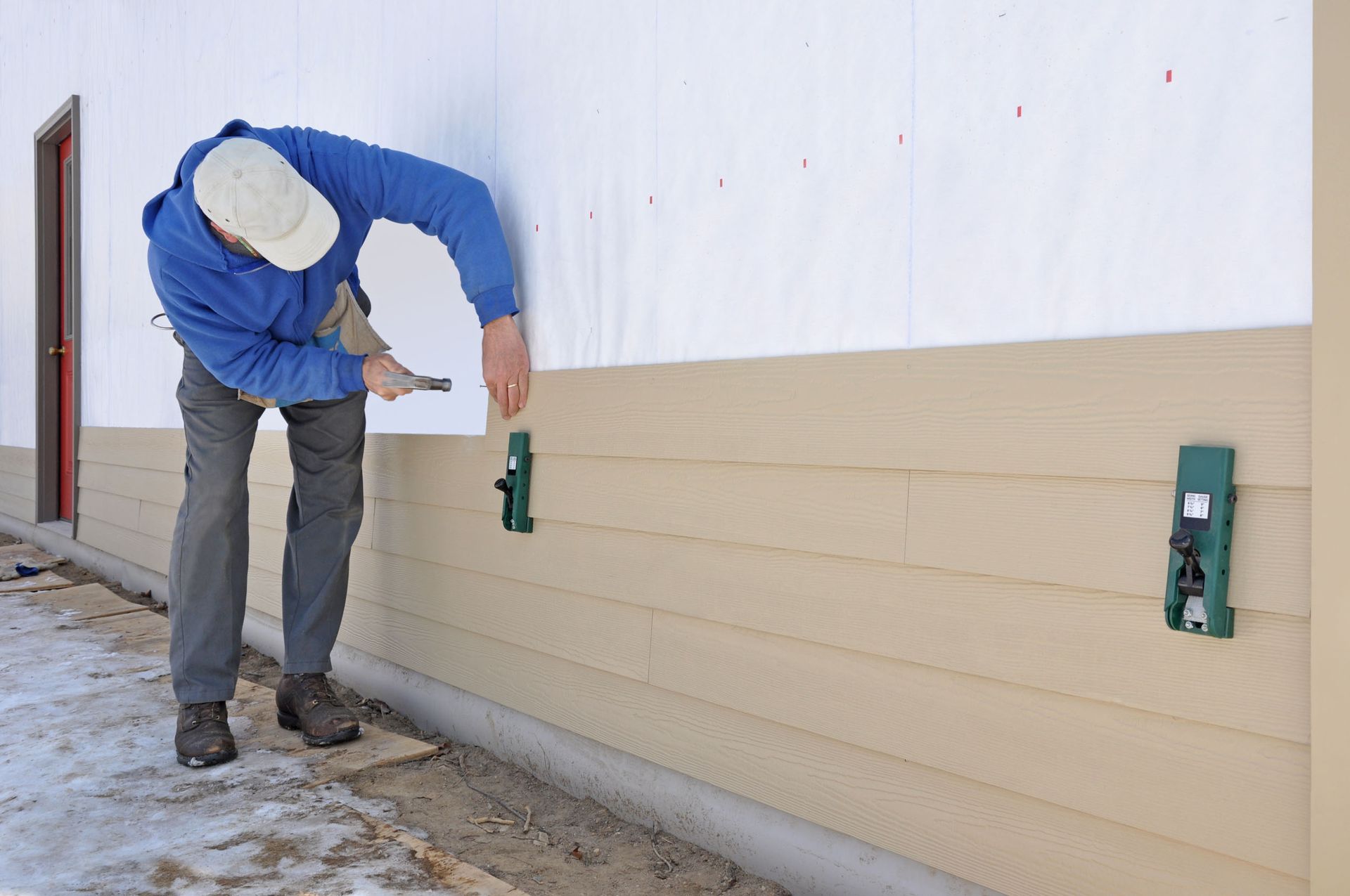
Improper installation of siding can lead to large-scale problems, often hidden until visible damage occurs. Misalignment, insufficient overlap, and using the wrong materials can all contribute to water infiltration and other structural issues. It is essential that siding is installed by experienced professionals who understand the intricacies of the task. Faulty installation not only weakens protective properties; it can also lead to more serious long-term structural problems. This is why hiring reputable local siding contractors is vital for any exterior renovation. They ensure that every panel is secured according to the specific requirements of the manufacturer.
The Corrosion of Essential Metal Components
Metal components in a building infrastructure are susceptible to corrosion when exposed to moisture over extended periods. Damaged siding can allow water penetration, leading to rust, weakening beams, bolts, and other essential metallic parts. The corrosion process is often slow but relentless, eventually affecting the stability and safety of the structure. Treating metal components with anti-corrosion techniques and ensuring proper siding maintenance mitigates the risks associated with these structural impairments. Competent local siding contractors will check for signs of rust around fasteners and flashings during their assessments to ensure the house remains sturdy.
The Degradation of Wall Insulation
Insulation materials within the walls of a home are not immune to the harms of water exposure. Moisture can degrade these materials, reducing their effectiveness in temperature regulation and energy efficiency. Damaged siding allows water to enter the insulation layer, leading to swelling, compacting, and loss of thermal resistance over time. Replacing saturated insulation and repairing water intrusion points ensures the building maintains its comfort for occupants. Professional local siding contractors can help identify if moisture has reached the insulation, which often requires opening the exterior layers to address the damage properly.
The Structural Shifts and Settling Issues
The introduction of excessive moisture to a building can lead to subtle yet significant structural shifts. Variations in ground moisture resulting from leaking siding can cause movements, which in turn affect the home's alignment and balance. These shifts often manifest as sticking doors, skewed windows, or noticeable cracks in the drywall. Ensuring robust siding helps maintain the structural equilibrium and prevents unsettling movements that compromise the structure. Identifying and correcting water-related issues early through local siding contractors mitigates damage and preserves long-term home stability for years to come.
The Value of Professional Inspections
Engaging in a consistent inspection routine is one of the most effective ways to avoid the catastrophic costs of structural water damage. Professionals can spot the early indicators of failure, such as loose caulking, faded finishes, or minor impact damage that might be missed during a casual glance. By catching these issues early, the structural integrity of the home remains uncompromised. Experienced local siding contractors provide the necessary peace of mind that the exterior is functioning as a cohesive system. Their specialized tools and knowledge allow for a level of precision that ensures your home remains dry and protected against the harshest weather.
Maintaining siding integrity is paramount for homeowners aiming to prevent structural water issues. As the first line of defense against a plethora of environmental challenges, siding is crucial to the well-being, safety, and efficiency of a home. With understanding and appropriate maintenance, homeowners can effectively manage and mitigate the risks associated with siding failure and water infiltration. Proactive measures such as routine inspections, immediate repairs, and professional guidance foster a resilient and lasting building envelope. Taking these steps ensures that siding remains a key ally in safeguarding the home from structural water challenges.
If you are concerned about the condition of your home exterior, contact LeFever Roofing to ensure your property stays protected from water damage.
Share On: